Nikki Heitner Heyman
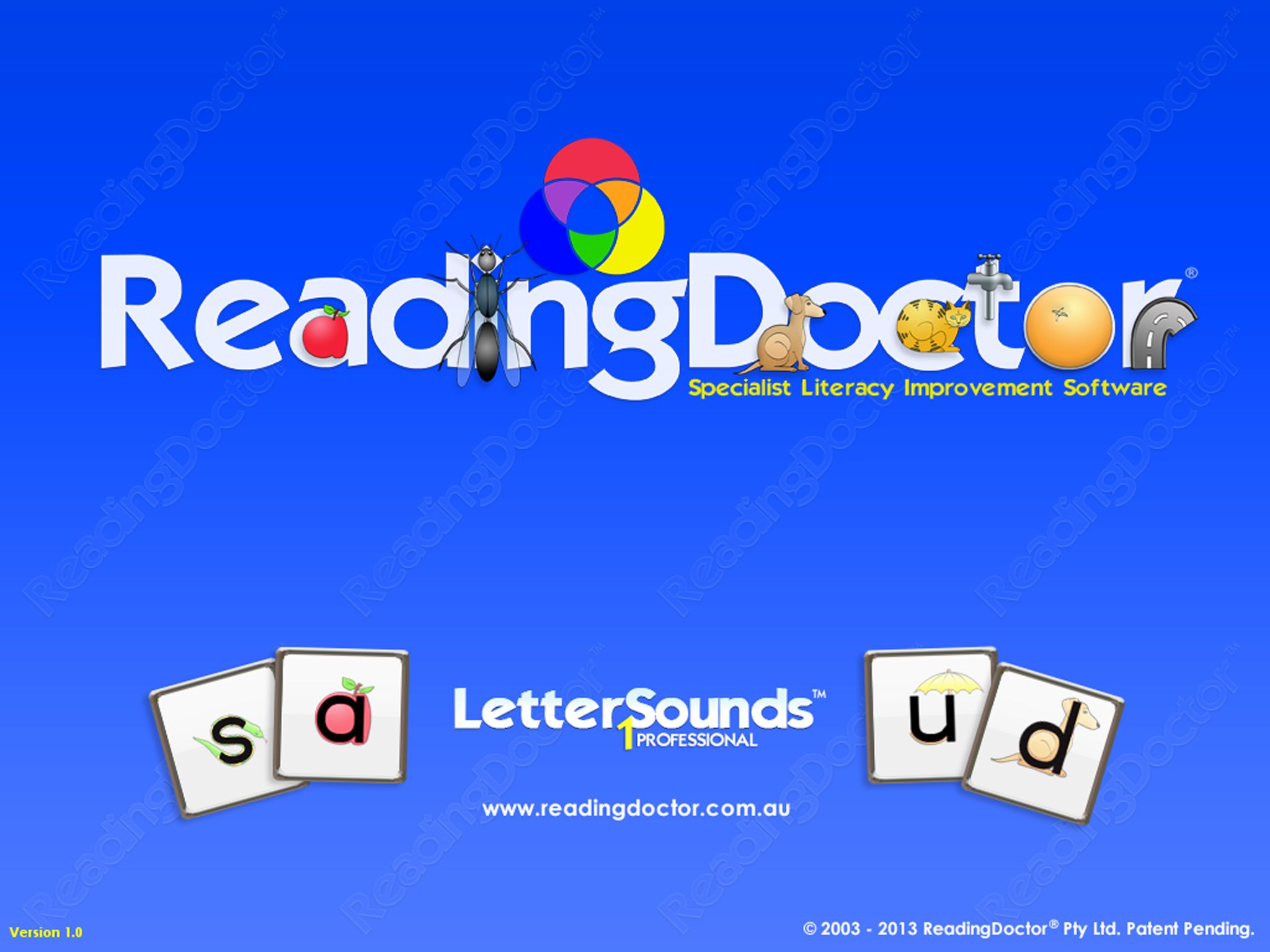
Letter Sounds Pro: App Review
Research has shown that children who are strong readers are skilled in using letter-sound knowledge to learn new words when reading. Difficulty with grapheme (letter) - phoneme (sound)...

Where to find Apps
So you’ve taken the plunge: You’ve finally given in and bought an iPad and now you are ruing your decision because all your child does is play meaningless, inane games that serve no educational...
25 ideas for Spelling Practice
Here are 25 ideas to practice spelling. Using as many different modes of learning spelling will help the child who has difficulty, access their best style of learning.


VowelViz: The answer to confusing vowels
I was so excited to win a copy of Vowel Viz from Mary over at Speech Adventures. Please read her review of the App here and how she has used it. I wanted to try Vowel Viz in another way. I...

Pines to Vines: App Review
Reluctant readers are often discouraged because the subject matter that they are interested in or required to read is presented with complex language that is difficult for them to read and understand. Mobile Education Store has come up with a solution to this problem in their Crack the Books Series.

Fun with Verbs & Sentences: App Review
Fun with Verbs and Sentences by Hamaguchi Apps is a sentence building and verb tense app that is designed to visually show left to right sentence building and sequence the parts of a sentence in the...

`Proloquo2Go

TouchChat with WordPower

Snap+Core First

Grid for iPad

SpeakforYourself[

WeaveChat
AAC is short for Augmentative and Alternative Communication
Source: AssistiveWare
Communication devices, systems, strategies and tools that replace or support spoken language are known as augmentative and alternative communication (AAC). These tools support a person who has difficulties communicating using speech.
The first “A” in AAC stands for Augmentative Communication. When you augment something, you add to it or supplement. Augmentative communication is when you add something to your speech (eg. sign language, pictures, a letter board). This can make your message clearer to your listener.
The second “A” in AAC stands for Alternative Communication. This is when you are not able to speak. It is also when your speech is not understood by others. In this case, you need a different way to communicate.
Basically, AAC can be tools, systems, devices or strategies. These tools help a person communicate, when they cannot rely on speech. Perhaps your child has not started talking. Perhaps you have lost your ability to speak. Perhaps your speech comes and goes. Maybe speaking is harder than other ways to communicate. AAC can help.
Read my Research
