Nikki Heitner Heyman

Strategies to improve Word Finding
It is important to understand the type of word finding difficulty and the reasons for the word finding difficulty in order to provide effective strategies for the child. As discussed...

Whatchamacallit , Thingy: Word Finding Problems in Children
We’ve all experienced that ‘tip of the tongue’ phenomenon where you know the word, but you can’t get it out. A word finding difficulty is when a person knows and understands a particular word, but...

Stick Around and find out about this amazing App
Sean from Speech Techie has some great ideas for repurposing apps for use in speech/language therapy. His post on how to use Stick Around inspired me to to have a look at Stick Around for use in...

Real Vocabulary Pro: App Review
Vocabulary knowledge is critical for language development and academic skills. I addressed this issue in a previous post entitled “Why vocabulary is important and how to teach it” You can find the...
Childhood Apraxia of Speech
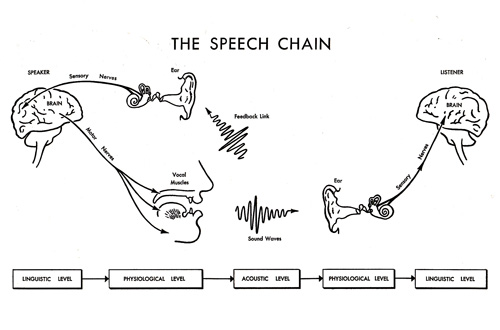
The act of speaking is a highly sophisticated one! It involves transmitting the message from the brain to the muscles of the mouth, face, tongue, and soft palate. Any interruption along this...

Apps for Apraxia
In order to improve speech clarity in children with apraxia, consistent practice is necessary. The use of Apps can lighten the load, track progress and engage children more readily. It must be...

`Proloquo2Go

TouchChat with WordPower

Snap+Core First

Grid for iPad

SpeakforYourself[

WeaveChat
AAC is short for Augmentative and Alternative Communication
Source: AssistiveWare
Communication devices, systems, strategies and tools that replace or support spoken language are known as augmentative and alternative communication (AAC). These tools support a person who has difficulties communicating using speech.
The first “A” in AAC stands for Augmentative Communication. When you augment something, you add to it or supplement. Augmentative communication is when you add something to your speech (eg. sign language, pictures, a letter board). This can make your message clearer to your listener.
The second “A” in AAC stands for Alternative Communication. This is when you are not able to speak. It is also when your speech is not understood by others. In this case, you need a different way to communicate.
Basically, AAC can be tools, systems, devices or strategies. These tools help a person communicate, when they cannot rely on speech. Perhaps your child has not started talking. Perhaps you have lost your ability to speak. Perhaps your speech comes and goes. Maybe speaking is harder than other ways to communicate. AAC can help.
Read my Research

