Nikki Heitner Heyman
Early Expressive Language Development: Infographic
In a few short years, almost all children go from babbling to telling stories. From a baby’s first words through a preschooler’s detailed conversations, the milestones of early expressive language...

The Language of Emotions
Tanya from Rattle and Mum posted: I told my four-year-old son that Mandela had died. He said "We must bring him back from heaven. I will become a fireman and rescue him". The naive words of...

InTense Pro Verb Practice: App Review
Teaching verb tenses is always a challenge for children with a language delay, particularly when trying to communicate a verb that doesn’t have a clear physical act. Intense Pro is an...

Is Homework giving Hassles?
There are growing complaints from parents about children being over burdened with homework. The pressure of our modern busy lifestyle, compounded with the busy schedules of children, who I feel are...

Fun with “R” App Review
The Fun with R app offers an intensive program for children to practice articulation of the difficult to produce R sound. The App follows the same format as all the other Apps from Virtual...
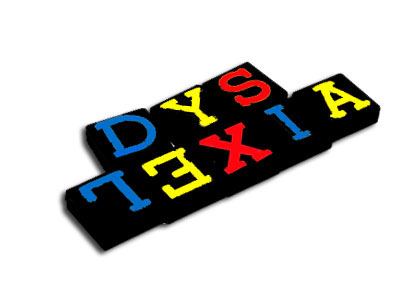
What does it feel like to have Dyslexia?
The bottob line it this it doet exit, no bitter whit nibe teotle give it (i.e. ttecific learning ditibility, etc). In fict, iccording to Tilly Thiywitz (2003) itt trevilence it ictuilly one in five...

`Proloquo2Go

TouchChat with WordPower

Snap+Core First

Grid for iPad

SpeakforYourself[

WeaveChat
AAC is short for Augmentative and Alternative Communication
Source: AssistiveWare
Communication devices, systems, strategies and tools that replace or support spoken language are known as augmentative and alternative communication (AAC). These tools support a person who has difficulties communicating using speech.
The first “A” in AAC stands for Augmentative Communication. When you augment something, you add to it or supplement. Augmentative communication is when you add something to your speech (eg. sign language, pictures, a letter board). This can make your message clearer to your listener.
The second “A” in AAC stands for Alternative Communication. This is when you are not able to speak. It is also when your speech is not understood by others. In this case, you need a different way to communicate.
Basically, AAC can be tools, systems, devices or strategies. These tools help a person communicate, when they cannot rely on speech. Perhaps your child has not started talking. Perhaps you have lost your ability to speak. Perhaps your speech comes and goes. Maybe speaking is harder than other ways to communicate. AAC can help.
Read my Research

